|
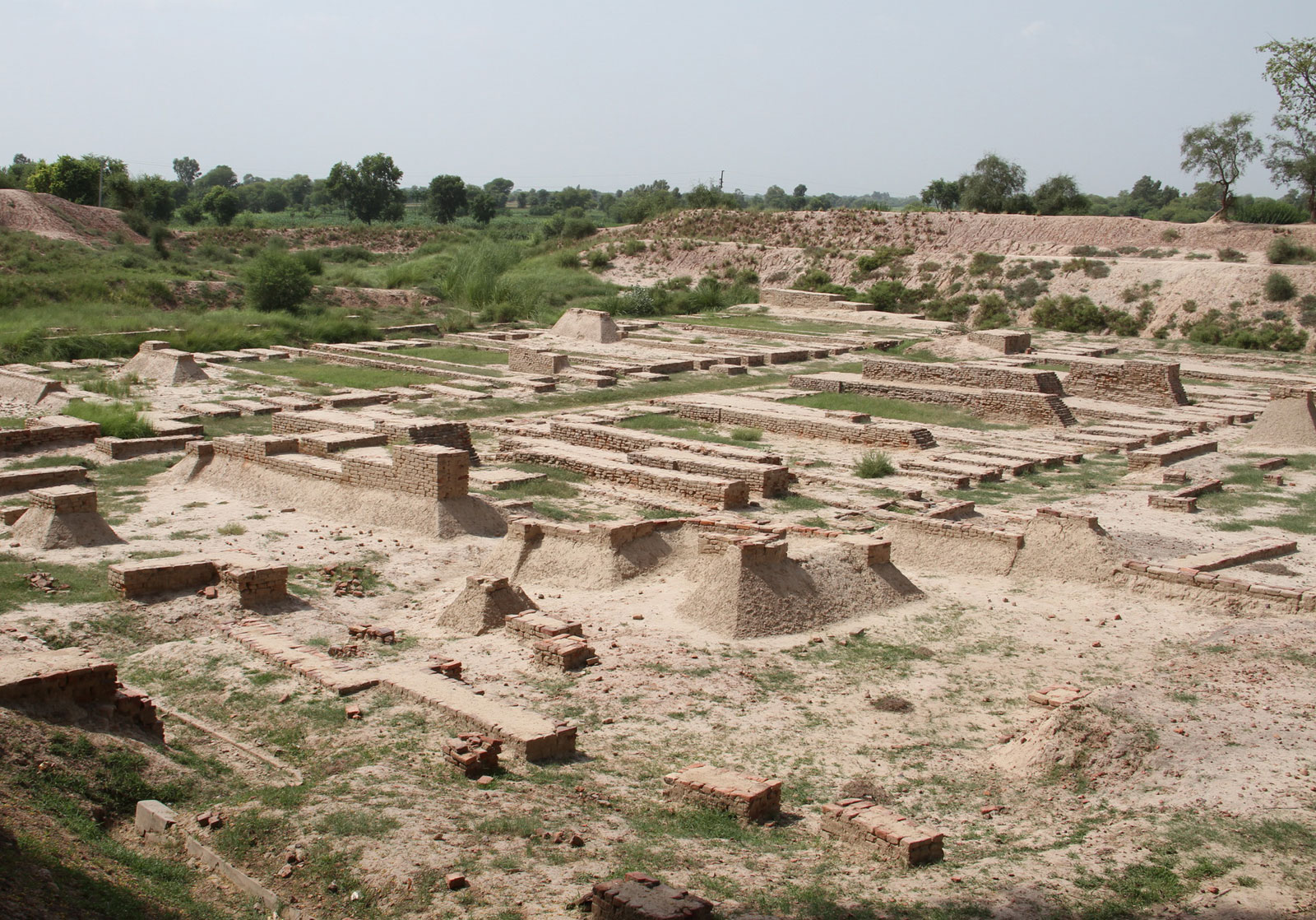 Harappa has the honor of being the first site where the remains of one of the most celebrated civilization of the ancient world were first discovered. The ruins of this celebrated city lie at a distance about 17 miles south-west of Sahiwal. It is connected with the Karachi-Lahore Highway by a metalled link-road of some four miles from Harappa Railway Station. Harappa has the honor of being the first site where the remains of one of the most celebrated civilization of the ancient world were first discovered. The ruins of this celebrated city lie at a distance about 17 miles south-west of Sahiwal. It is connected with the Karachi-Lahore Highway by a metalled link-road of some four miles from Harappa Railway Station.
This prodigious civilization is contemporary to the other ancient societies like Egyptian, Persian, Mesopotamian, and Chinese. Harrappan civilization is also significantly known with its urbanization, town planning, bronze technology, seals, and trade networks. Become immersed in the ancient civilization and culture by visiting the site and see the unique artifacts at Harrapa Museum on display.
|
|
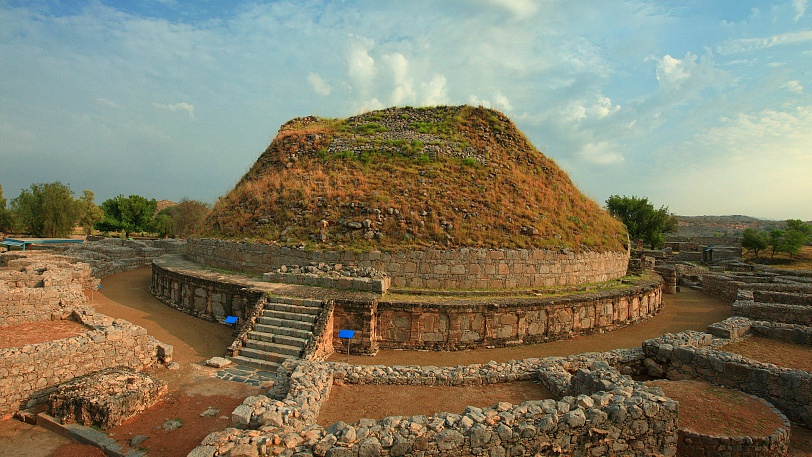 Once a center of Buddhist Civilization, Taxila is an important archaeological site in Punjab containing the ruins of the Gandharan city of Takshashila, being one of the subcontinent’s treasures, the ruins of Taxila are located about 30 km north of Islamabad/Rawalpindi, just off the famous Grand Trunk Road. It had been variously a capital for many dynasties, and a centre of Vedic culture and Buddhist learning for centuries. The British Archaeologist Sir John Marshall conducted excavations over a period of 20 years in Taxila. Takshashila was an early center of learning dating back to at least the fifth century B.C.E. Some consider Taxila to be an early university. Takshashila is considered a place of religious and historical sanctity by Hindus and Buddhists. Once a center of Buddhist Civilization, Taxila is an important archaeological site in Punjab containing the ruins of the Gandharan city of Takshashila, being one of the subcontinent’s treasures, the ruins of Taxila are located about 30 km north of Islamabad/Rawalpindi, just off the famous Grand Trunk Road. It had been variously a capital for many dynasties, and a centre of Vedic culture and Buddhist learning for centuries. The British Archaeologist Sir John Marshall conducted excavations over a period of 20 years in Taxila. Takshashila was an early center of learning dating back to at least the fifth century B.C.E. Some consider Taxila to be an early university. Takshashila is considered a place of religious and historical sanctity by Hindus and Buddhists.
|
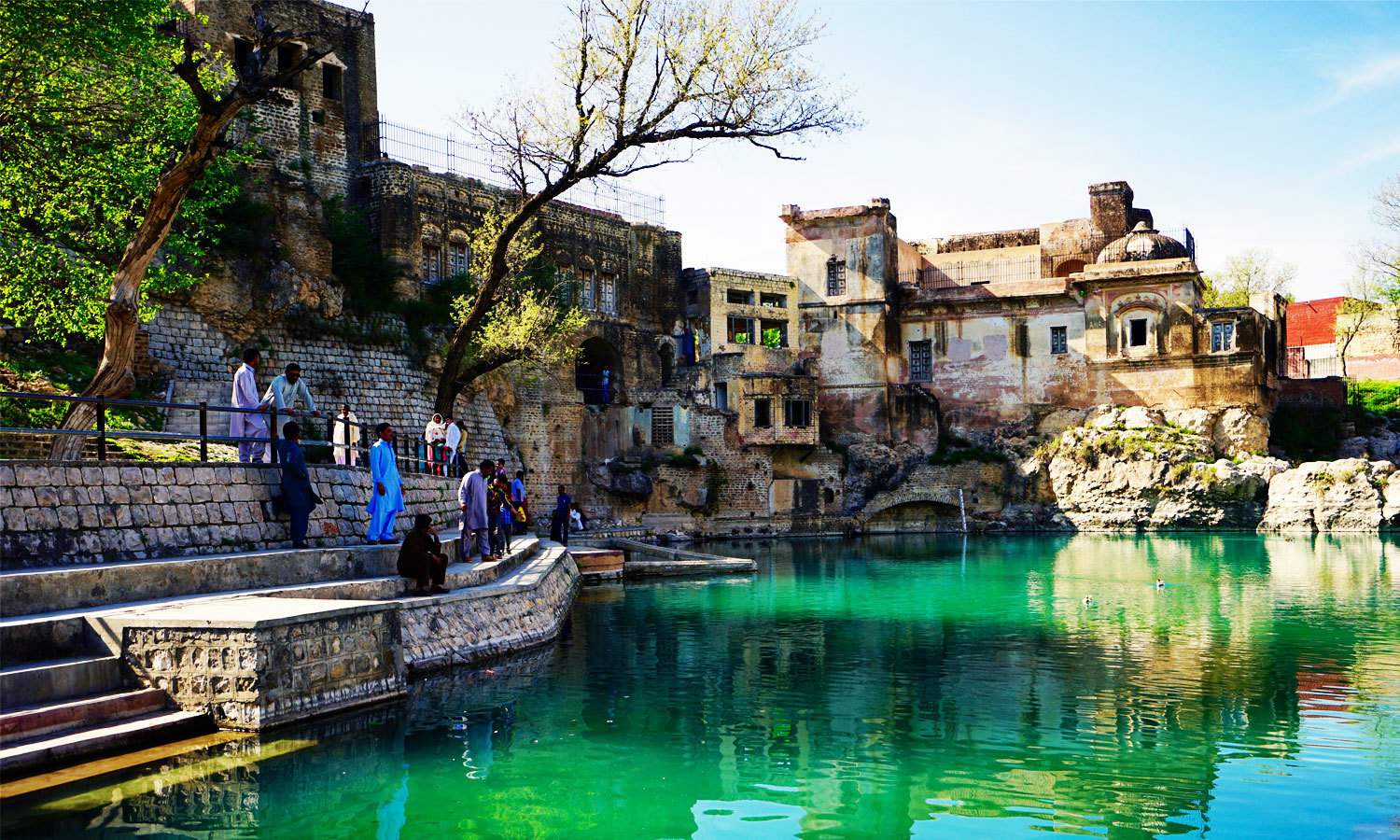 The temples derive their name from Kataksha, which in classic Sanskrit means: god’s tears!! (It is said that a heartbroken Shiva following the death of his wife Sati). Lying in the Kallar Kahar region near Choa Saidan Shah in Chakwal, the Katas Raj Temples is an important pilgrimage site for Hindus. Believed to have existed at least since the seventh century, the temples are mostly attributed to the Hindu Shahiya (615 – 950 AD). The remains from a Buddhist stupa are also present in the compound date back to the time of Ashoka. The Katas Raj is a collection of seven ancient temples, havelis around the pond and five other temples including Shiva Temple, Hanuman Temple and Ramachandra Temple. There is a haveli, namely Hari Singh Nalwa fort, which is built on a hill. The temples derive their name from Kataksha, which in classic Sanskrit means: god’s tears!! (It is said that a heartbroken Shiva following the death of his wife Sati). Lying in the Kallar Kahar region near Choa Saidan Shah in Chakwal, the Katas Raj Temples is an important pilgrimage site for Hindus. Believed to have existed at least since the seventh century, the temples are mostly attributed to the Hindu Shahiya (615 – 950 AD). The remains from a Buddhist stupa are also present in the compound date back to the time of Ashoka. The Katas Raj is a collection of seven ancient temples, havelis around the pond and five other temples including Shiva Temple, Hanuman Temple and Ramachandra Temple. There is a haveli, namely Hari Singh Nalwa fort, which is built on a hill. |

