

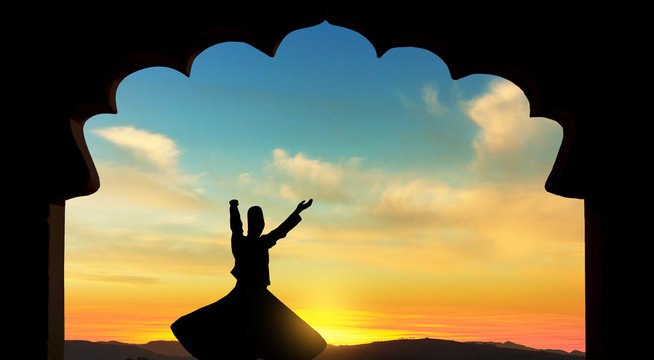
 Punjab has a centuries-old spiritual heritage with saints arriving from central Asia settling in different parts of the then Indian Sub-Continent. The religious tradition and culture is deeply influenced the teaching of the Sufi saints who understand the cultural history of the region and introduced Islam to masses. The spiritual message of the saints was aimed at purification of the body and soul. Even though the message is followed by devotees all across the province, the footprints are largely evident in Lahore, Kasur and southern part of the province (Multan in particular) which is known as city of saints.
The roots of Sufism are meant to be an integral part in shaping the cultural history of Punjab as Shrines in the province have a deep impact in this regard. A visit to famous shrines is a great source of inspiration even as a believer of a different faith. With having a deep social influence, the Sufi saints of Punjab have also significantly contributed to the literature of this region, especially through poetry often focused on divine love and unity. Prominent Sufi saints in Punjab include Hazrat Data Ganj Bakhsh (Ali Hujwiri) in Lahore, Baba Fariduddin Ganjshakar in Pakpattan, Shah Rukn-e-Alam, Hazrat Bahauddin Zakariya, Shah Shams Tabrizi in Multan.